Introduction
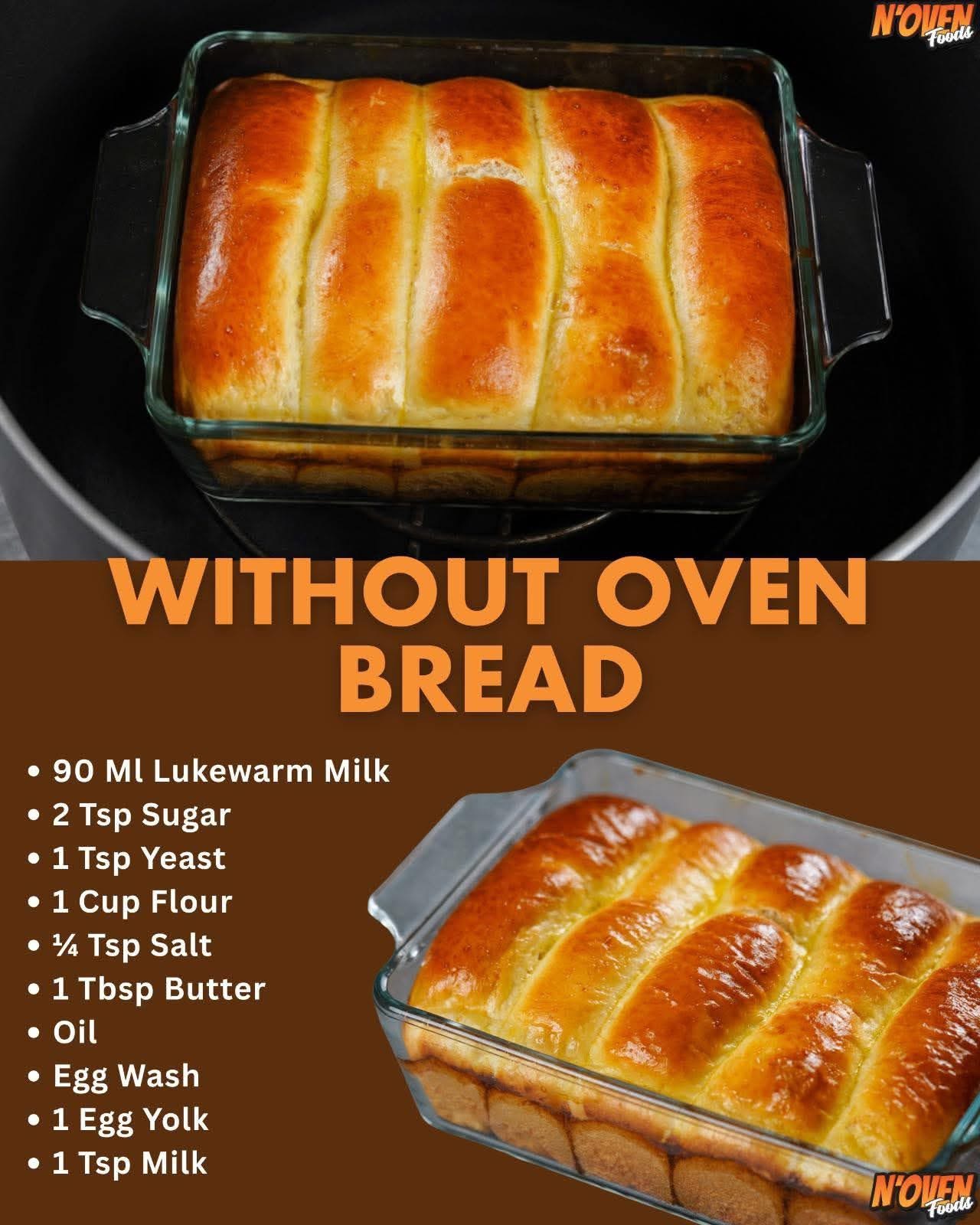
Soft bread without an oven is a lifesaver recipe for homes without baking equipment. Using only a stove, pan, or pot, you can make fluffy, tender bread that tastes just like bakery bread. This recipe is simple, budget-friendly, and perfect for beginners. The bread comes out soft inside, lightly golden outside, and is great for tea, sandwiches, or breakfast.
A Short History of No-Oven Bread
Before modern ovens existed, people made bread using fire, clay pots, pans, and stones. Flatbreads and covered-pot breads were common in Asia, Africa, and the Middle East. Stovetop bread continues this tradition, proving that good bread doesn’t need fancy tools—just patience and heat control.
Ingredients
- 2 cups all-purpose flour (maida)
- 1 teaspoon instant yeast
(or 1½ tsp active dry yeast) - 1 teaspoon sugar
- ½ teaspoon salt
- 2 tablespoons oil or melted butter
- ¾ cup warm milk or warm water
- Extra flour for dusting
- Oil for greasing
Method Overview
This bread is made in three main methods:
- Mixing & Dough Formation
- Fermentation (Rising)
- Stovetop Cooking (No Oven)
Dough Formation (Mixing the Dough)
- In a bowl, mix warm milk/water, sugar, and yeast
- Rest for 5–10 minutes until foamy
- Add flour, salt, and oil
- Mix until dough forms
- Knead for 8–10 minutes until soft and elastic
- Shape into a smooth ball
👉 The dough should be soft, not sticky
Fermentation (First Rise)
- Grease a bowl lightly
- Place dough inside and cover
- Keep in a warm place for 1 hour
- Dough should double in size
This step gives bread its soft texture and flavor.
Instructions (Stovetop Cooking Method)
- Punch down the risen dough
- Shape into a loaf or divide into small rolls
- Grease a thick pan or pot with lid
- Place dough inside
- Cover tightly with lid
- Cook on very low flame for 35–40 minutes
- Flip once carefully for even cooking
- Tap bread—if it sounds hollow, it’s done
🔥 Low heat is the secret
Alternative Methods
Pan Method
- Cook bread like thick flatbread
- Flip every few minutes on low heat
Pot Method (Best for Softness)
- Heavy pot + lid
- Works like an oven
Benefits of Soft Bread Without Oven
- No oven needed
- Low cost
- Easy for beginners
- Fresh & preservative-free
- Soft and fluffy texture
- Customizable flavors
Variations
- Garlic butter bread
- Milk bread (extra soft)
- Whole wheat bread
- Cheese-stuffed bread
- Herb bread
Who Will Love This Bread
❤️ Home cooks
❤️ Students
❤️ Small kitchens
❤️ Bread lovers
❤️ Tea-time snack fans
❤️ People without ovens
Serving Ideas (For Bread Lovers)
- With butter & jam
- As sandwich bread
- With soup or curry
- Toasted on pan
- With honey or peanut butter
Conclusion
Soft bread without an oven proves that good food is about technique, not equipment. With simple ingredients and patience, you can enjoy fresh, fluffy bread anytime. This recipe connects us to traditional cooking methods while fitting perfectly into modern kitchens.