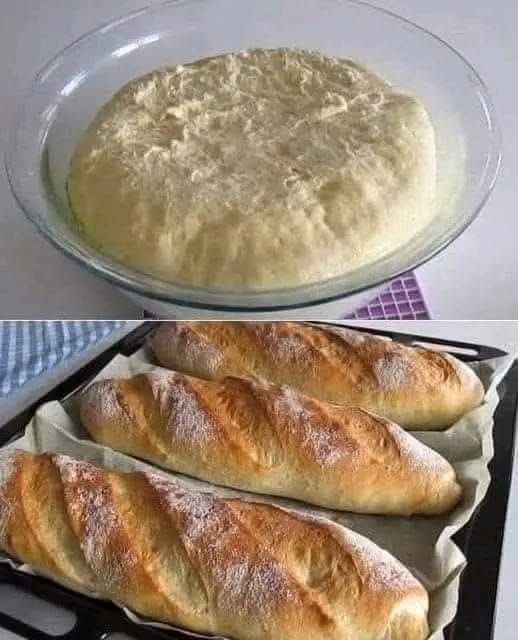
A Crusty, Rustic Loaf Made with Love
🌾 Introduction
Homemade artisan bread is the kind of bread that fills your home with warmth, comfort, and an irresistible aroma. With its crackly golden crust, airy interior, and deep, wheaty flavor, artisan bread proves that simple ingredients can create something extraordinary. Unlike factory-made bread, artisan bread is slow-made, thoughtfully handled, and full of character—each loaf is unique, just like the baker who makes it.
This recipe is perfect for beginners and experienced bakers alike. No fancy equipment, no complicated techniques—just patience, care, and a love for real bread.
🧂 Ingredients
(Makes 1 large loaf or 2 small loaves)
- 3½ cups (450 g) all-purpose flour or bread flour
- 1½ teaspoons salt
- 1 teaspoon sugar or honey (optional, for flavor)
- 1 teaspoon instant yeast (or 1¼ teaspoons active dry yeast)
- 1½ cups (360 ml) warm water (not hot)
- 1 tablespoon olive oil (optional, for a softer crumb)
- Extra flour for dusting
🧑🍳 Instructions
Step 1: Mix the Dough
In a large bowl, combine flour, salt, sugar (if using), and yeast. Slowly add warm water while mixing with a wooden spoon or your hand until a sticky dough forms. Add olive oil if desired.
Step 2: First Rise (Fermentation)
Cover the bowl with plastic wrap or a clean kitchen towel. Let the dough rise at room temperature for 12–18 hours. The dough should double in size and develop bubbles on the surface.
Step 3: Shape the Dough
Turn the dough onto a floured surface. Gently fold it over itself a few times—do not knead heavily. Shape into a round or oval loaf.
Step 4: Second Rise
Place the shaped dough on parchment paper. Cover and let rise for 30–60 minutes while the oven heats.
Step 5: Bake
Preheat oven to 230°C (450°F). Place a heavy pot or Dutch oven inside to heat. Carefully place dough (with parchment) into the hot pot, cover with lid, and bake:
- 30 minutes covered
- 15–20 minutes uncovered until deep golden brown
Step 6: Cool
Remove bread and let cool on a wire rack for at least 30 minutes before slicing.
🔥 Methods of Baking
1. Dutch Oven Method (Best Crust)
Creates steam inside the pot, giving the bread a crispy artisan crust.
2. Baking Tray + Steam
Place a tray of hot water in the oven to create steam if you don’t have a Dutch oven.
3. No-Knead Method
Minimal handling, long fermentation—perfect for beginners.
📜 History of Artisan Bread
Artisan bread dates back thousands of years to ancient civilizations like Egypt and Mesopotamia. Before industrial baking, bread was naturally fermented, hand-shaped, and baked in stone ovens. The modern artisan bread movement revived these traditional methods, focusing on quality, flavor, and craftsmanship rather than speed and mass production.
💪 Benefits of Homemade Artisan Bread
- Fewer preservatives and additives
- Better digestion due to slow fermentation
- Rich, natural flavor
- Customizable ingredients
- More nutrients than processed bread
- Emotional satisfaction and comfort 🥰
🧬 Formation & Texture
Artisan bread is formed through slow fermentation, which allows gluten to develop naturally. This creates:
- Large air pockets
- Chewy crumb
- Thick, crunchy crust
- Deep, complex flavor
❤️ Lovers of Artisan Bread
Artisan bread is loved by:
- Home bakers
- Food lovers and chefs
- Families seeking healthier bread
- Breakfast, soup, and sandwich fans
- Anyone who loves butter melting into warm bread 😍
🧾 Conclusion
Homemade artisan bread is more than food—it’s an experience. From mixing simple ingredients to slicing into a crackly crust, every step brings joy. Once you bake this bread, store-bought loaves will never feel the same again.
🥰 Final Words for Bread Lovers
This bread is for slow mornings, cozy dinners, and sharing with people you love. Pair it with olive oil, cheese, soup, or just enjoy it warm and plain—because real bread doesn’t need much to shine.