Introduction
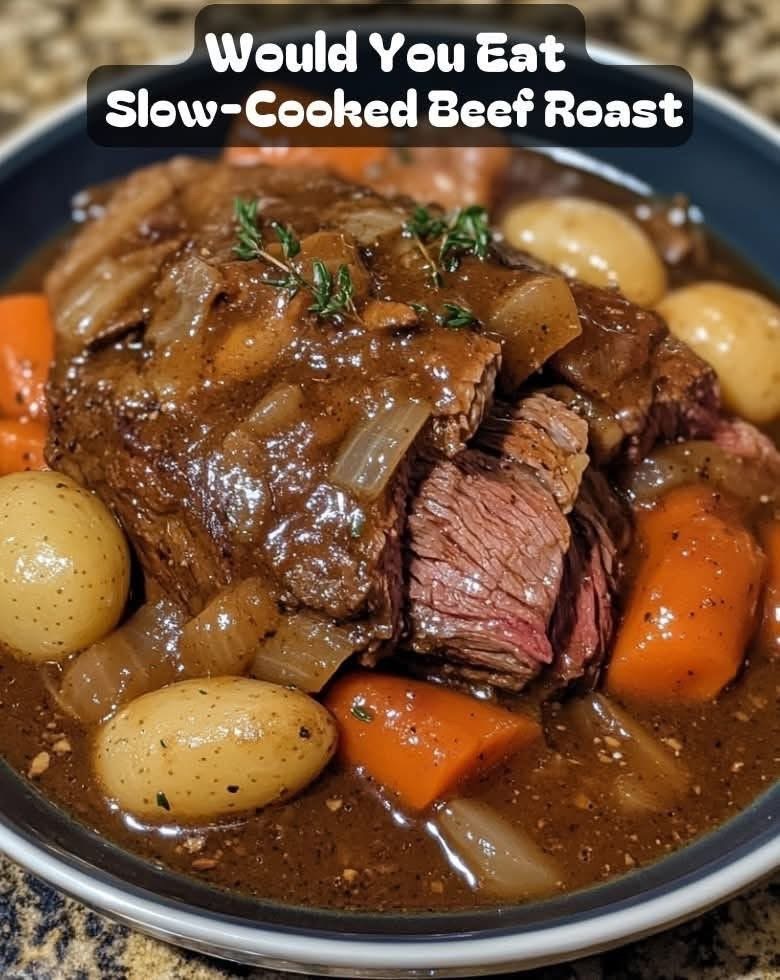
Pot Roast with Potatoes and Carrots is a classic comfort food dish known for its tender meat, rich flavor, and hearty vegetables. Slow-cooked in a flavorful broth, the roast becomes incredibly soft and juicy while the potatoes and carrots absorb the savory juices. This meal is popular in many households because it is simple to prepare and perfect for feeding families or guests.
The dish is often associated with home-style cooking and cozy family dinners. Because it cooks slowly in one pot, the flavors blend beautifully, creating a rich and satisfying meal. Pot roast is especially loved during colder months when warm, hearty meals are most comforting.
Ingredients
Main Ingredients
- 1.5–2 kg (3–4 lb) beef chuck roast
- 4 medium potatoes (peeled and cut into chunks)
- 3–4 carrots (peeled and sliced)
- 1 large onion (cut into wedges)
- 3 cloves garlic (minced)
Cooking Liquids
- 2 cups beef broth
- 1 tablespoon tomato paste
- 1 tablespoon Worcestershire sauce
Seasonings
- 2 tablespoons olive oil
- 1 teaspoon salt
- 1/2 teaspoon black pepper
- 1 teaspoon dried thyme
- 1 teaspoon dried rosemary
- 1 teaspoon paprika
Optional Ingredients
- 1 cup mushrooms
- 1 celery stalk (chopped)
- 1 tablespoon flour or cornstarch (for thickening gravy)
Preparation Method
Step 1: Prepare the Meat
- Pat the beef roast dry with paper towels.
- Season the meat with salt, pepper, paprika, thyme, and rosemary.
- Let the roast sit at room temperature for about 20–30 minutes before cooking.
Step 2: Prepare the Vegetables
- Peel and cut potatoes into large chunks.
- Slice carrots into thick pieces.
- Cut onion into wedges.
- Mince the garlic.
Keeping the vegetables in large pieces prevents them from overcooking during the long cooking process.
Cooking Instructions
Method 1: Classic Oven Method
Step 1: Sear the Roast
- Heat olive oil in a large oven-safe pot or Dutch oven over medium-high heat.
- Place the roast in the pot and sear each side for 3–4 minutes until browned.
This step adds deep flavor to the meat.
Step 2: Add Aromatics
- Add onions and garlic to the pot.
- Cook for about 2 minutes until fragrant.
Step 3: Add Liquids
- Pour in beef broth.
- Add Worcestershire sauce and tomato paste.
- Stir gently.
Step 4: Slow Roast
- Preheat oven to 325°F (165°C).
- Cover the pot with a lid.
- Cook for 2 hours.
Step 5: Add Vegetables
- Add potatoes and carrots to the pot.
- Continue cooking for 1 more hour until vegetables are tender and meat is fork-tender.
Method 2: Slow Cooker Method
- Sear the roast in a skillet first.
- Place the roast in a slow cooker.
- Add vegetables, broth, and seasonings.
- Cook on low for 8 hours or high for 5 hours.
This method produces very tender meat with minimal effort.
Method 3: Pressure Cooker / Instant Pot Method
- Use the sauté function to brown the roast.
- Add broth, vegetables, and seasoning.
- Cook on high pressure for 60 minutes.
- Allow natural pressure release for 15 minutes.
This method significantly reduces cooking time.
Serving Suggestions
Pot roast with potatoes and carrots can be served with:
- Fresh bread or dinner rolls
- Steamed green beans
- Creamy mashed potatoes
- A simple garden salad
The dish is often served with the flavorful cooking juices poured over the meat and vegetables as gravy.
History of Pot Roast
Pot roast has deep roots in traditional European cooking. Many cultures developed similar slow-cooked beef dishes where tougher cuts of meat were cooked slowly until tender.
In the United States, pot roast became especially popular in the 19th and early 20th centuries as a traditional Sunday family meal. Immigrant cooking traditions, including French boeuf à la mode and German braised beef dishes, influenced the American version of pot roast.
The slow cooking method allowed families to transform inexpensive cuts of meat into flavorful and tender meals. Today, pot roast remains one of the most beloved comfort foods in home kitchens.
Nutritional Benefits
1. High Protein
Beef provides essential protein that supports muscle growth and tissue repair.
2. Iron and Zinc
Red meat contains iron and zinc, which help maintain healthy blood and support immune function.
3. Vitamins from Vegetables
Carrots provide vitamin A and antioxidants, while potatoes provide vitamin C and potassium.
4. Balanced Meal
The combination of meat, vegetables, and broth creates a balanced meal with protein, carbohydrates, and nutrients.
5. Natural Cooking Method
Slow cooking helps retain many nutrients while enhancing flavor.
Formation and Cooking Science
1. Braising Technique
Pot roast is cooked using braising, which means slowly cooking meat in liquid at low temperature. This breaks down tough muscle fibers and connective tissue.
2. Collagen Breakdown
During long cooking, collagen in the meat converts to gelatin, making the meat tender and juicy.
3. Flavor Absorption
Vegetables absorb the savory broth and meat juices, enhancing their taste.
4. Caramelization
Searing the meat before cooking creates a deep, rich flavor through browning.
Variations of the Dish
Herb Pot Roast
Add fresh herbs such as parsley, sage, and oregano.
Wine-Braised Pot Roast
Replace part of the broth with red wine for richer flavor.
Spicy Pot Roast
Add chili flakes or smoked paprika.
Vegetable-Rich Pot Roast
Include parsnips, turnips, or mushrooms.
Why Food Lovers Enjoy Pot Roast ❤️
Food lovers appreciate pot roast because:
- The meat becomes incredibly tender and flavorful.
- The dish is hearty and satisfying.
- It combines meat and vegetables in one meal.
- The slow-cooked aroma fills the kitchen with warmth and comfort.
Pot roast often brings back memories of family dinners and home-cooked meals shared with loved ones.
Conclusion
Pot Roast with Potatoes and Carrots is a timeless comfort dish that combines tender beef, hearty vegetables, and rich broth into a warm and satisfying meal. With simple ingredients and slow cooking, this classic recipe transforms everyday components into a flavorful and nourishing dish.
Whether prepared in the oven, slow cooker, or pressure cooker, pot roast remains a favorite for family dinners and special gatherings. For lovers of comforting home-style meals, this dish continues to be a cherished tradition that brings people together around the table