Introduction
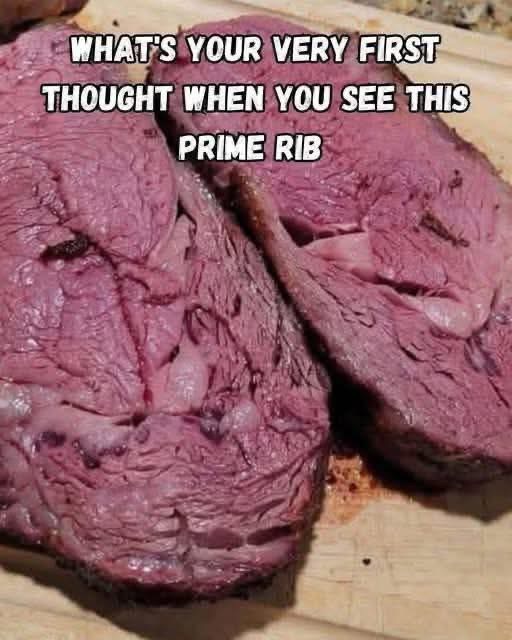
Perfect Prime Rib is a classic and luxurious roast that is often served during special occasions, holiday dinners, and family celebrations. Known for its rich flavor, tender texture, and juicy interior, prime rib is considered one of the finest cuts of beef. When cooked properly, the outside forms a flavorful crust while the inside remains moist and perfectly pink.
Preparing prime rib at home may seem intimidating, but with the right ingredients, preparation, and cooking techniques, anyone can achieve a restaurant-quality roast. The key to success lies in proper seasoning, temperature control, and resting the meat after cooking.
This guide explains everything needed to make perfect prime rib every time, including ingredients, cooking methods, history, benefits, and tips for serving.
Ingredients
Main Ingredients
- 1 prime rib roast (about 2–3 kg / 4–6 pounds)
- 2 tablespoons olive oil or softened butter
- 4–6 garlic cloves (minced)
- 2 teaspoons kosher salt
- 1 teaspoon black pepper
- 1 teaspoon fresh rosemary (chopped)
- 1 teaspoon fresh thyme (chopped)
Optional Ingredients
- 1 teaspoon onion powder
- 1 teaspoon smoked paprika
- 1 tablespoon Dijon mustard (for additional flavor)
For Serving
- Horseradish sauce
- Au jus (beef juices)
- Roasted vegetables
- Mashed potatoes
Preparation Method
Step 1: Choose the Right Cut
Prime rib comes from the rib section of the cow and is known for its tenderness and marbling. A bone-in roast is often preferred because the bones help enhance flavor and retain moisture during cooking.
Step 2: Bring the Meat to Room Temperature
Remove the roast from the refrigerator 1–2 hours before cooking. This helps the meat cook evenly.
Step 3: Prepare the Seasoning
In a bowl, mix:
- olive oil or butter
- garlic
- salt
- pepper
- rosemary
- thyme
Rub this mixture generously over the entire roast.
Step 4: Preheat the Oven
Preheat the oven to 450°F (230°C) for the initial high-heat roasting stage.
Cooking Instructions
Method 1: Classic Oven Roasting
Step 1: Initial High Heat
- Place the roast on a roasting rack in a pan.
- Roast at 450°F (230°C) for 20 minutes to create a flavorful crust.
Step 2: Lower Temperature Cooking
- Reduce oven temperature to 325°F (165°C).
- Continue roasting for approximately:
- Rare: 15 minutes per pound
- Medium rare: 17 minutes per pound
- Medium: 20 minutes per pound
Use a meat thermometer for accuracy.
Internal Temperature Guide
- Rare: 120–125°F (49–52°C)
- Medium Rare: 130–135°F (54–57°C)
- Medium: 140–145°F (60–63°C)
Step 3: Rest the Meat
Remove the roast from the oven and cover loosely with foil.
Let it rest for 20–30 minutes before slicing. This allows juices to redistribute throughout the meat.
Method 2: Reverse Sear Method
- Preheat oven to 250°F (120°C).
- Roast slowly until internal temperature reaches about 120°F (49°C).
- Remove from oven and let rest briefly.
- Finish by searing in a very hot oven (500°F / 260°C) for about 10 minutes to create a crisp crust.
This method produces an evenly cooked roast from edge to center.
Serving Suggestions
Prime rib is best served sliced thick and accompanied by classic side dishes such as:
- Creamy mashed potatoes
- Roasted carrots and asparagus
- Yorkshire pudding
- Fresh salad
- Rich beef gravy or au jus
The meat should be juicy, tender, and flavorful with a golden crust.
History of Prime Rib
Prime rib has long been associated with traditional British and American cuisine. The dish is similar to the famous standing rib roast, which became popular in England during the 18th and 19th centuries.
In the United States, prime rib gained popularity in upscale restaurants and steak houses. It became especially associated with holiday meals, Sunday dinners, and celebratory occasions. The name “prime rib” refers both to the quality of the beef and the rib section from which it comes.
Today, prime rib is considered a symbol of indulgence and hospitality, often served at festive gatherings and special family meals.
Nutritional Benefits
1. High-Quality Protein
Prime rib provides a large amount of protein, which supports muscle growth and tissue repair.
2. Rich in Iron
Beef contains iron that helps transport oxygen in the blood and prevents fatigue.
3. Vitamin B12
This essential vitamin supports nerve function and energy production.
4. Zinc Content
Zinc helps strengthen the immune system and supports overall health.
5. Healthy Fats (in moderation)
The natural marbling of beef contributes to flavor and provides energy.
Formation and Cooking Science
1. Maillard Reaction
High heat causes proteins and sugars in the meat to react, creating a browned crust and deep flavor.
2. Fat Rendering
As the roast cooks, the fat slowly melts and bastes the meat, making it juicy and tender.
3. Moisture Retention
Resting the meat allows juices to redistribute, preventing them from spilling out when sliced.
4. Even Heat Cooking
Slow roasting ensures the interior cooks evenly while preserving tenderness.
Variations of Prime Rib
Herb-Crusted Prime Rib
Add extra herbs like parsley, oregano, and sage to the seasoning.
Garlic Butter Prime Rib
Use a mixture of butter and roasted garlic for deeper flavor.
Smoked Prime Rib
Cook the roast in a smoker for a rich smoky taste.
Spicy Prime Rib
Add chili flakes or cayenne pepper for a bold kick.
Why Food Lovers Enjoy Prime Rib ❤️
Prime rib is loved by food enthusiasts for many reasons:
- It is incredibly tender and juicy.
- The rich flavor of beef is enhanced by herbs and garlic.
- It feels luxurious and celebratory.
- It pairs well with many side dishes and sauces.
- The presentation of a large roast creates an impressive centerpiece for gatherings.
For many people, prime rib represents comfort, celebration, and memorable meals shared with family and friends.
Conclusion
Perfect Prime Rib Every Time is achievable with the right preparation, seasoning, and cooking method. This classic roast combines rich flavor, tender texture, and a beautiful crust that makes it a centerpiece for special meals.
By selecting a quality cut of beef, using proper roasting techniques, and allowing the meat to rest before slicing, anyone can create a delicious prime rib at home. Whether served during holidays, celebrations, or family dinners, prime rib remains one of the most beloved and impressive dishes in traditional cooking.