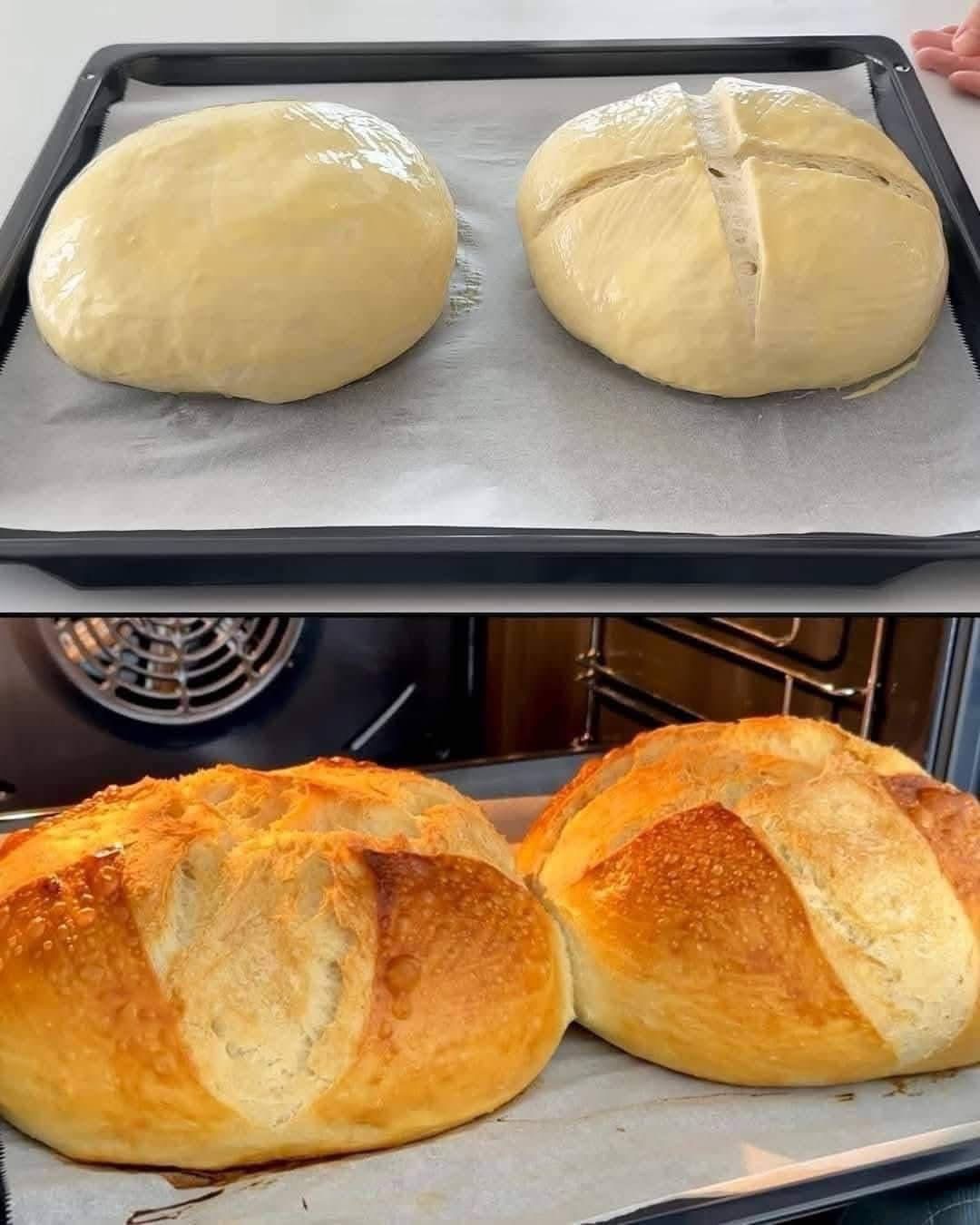
Warm, Soft, and Comforting – A Timeless Staple
Introduction
Few things are as comforting as the aroma of freshly baked bread filling the kitchen. This classic homemade bread is soft, pillowy, and lightly golden on the outside, perfect for sandwiches, toast, or simply slathered with butter. Making bread at home is not only satisfying but also allows you to control ingredients, avoiding preservatives and additives. Sharing this bread with loved ones transforms a simple staple into an act of care and intimacy.
Homemade bread is more than food—it’s a symbol of warmth, effort, and love. The process of kneading, waiting for it to rise, and finally baking it offers a rhythm that can be both therapeutic and bonding, especially when shared with someone special.
Ingredients (Makes 1 loaf)
- 3 cups all-purpose flour (plus extra for kneading)
- 1 cup warm water (around 110°F / 43°C)
- 2 ¼ teaspoons active dry yeast (1 packet)
- 2 tablespoons sugar
- 1 teaspoon salt
- 2 tablespoons unsalted butter, melted (or olive oil for a lighter version)
History
Bread is one of humanity’s oldest foods, dating back over 10,000 years. Ancient civilizations like the Egyptians, Greeks, and Romans refined bread-making techniques, using yeast for leavening to create light, fluffy loaves. Over centuries, bread became a universal symbol of sustenance and community. In modern times, homemade bread evokes nostalgia, warmth, and the feeling of nurturing those you care about—a tradition that spans generations.
Benefits
- Simple ingredients: You know exactly what’s in your bread—no preservatives or artificial additives.
- Homemade control: Adjust flour type for whole grains or gluten-free alternatives.
- Mental health: Kneading dough can be meditative and stress-relieving.
- Nutrition: Bread provides carbohydrates for energy and can be enriched with seeds or whole grains.
- Romantic appeal: Sharing warm, freshly baked bread is a simple yet intimate gesture of love.
Formation & Methods
Step 1: Activate the Yeast
- In a small bowl, mix warm water, sugar, and yeast.
- Let it sit for 5–10 minutes until it becomes frothy, signaling that the yeast is active.
Step 2: Make the Dough
- In a large mixing bowl, combine flour and salt.
- Add melted butter (or oil) and the activated yeast mixture.
- Mix until a sticky dough forms.
Step 3: Knead the Dough
- Turn the dough onto a floured surface.
- Knead for 8–10 minutes until smooth and elastic.
- If the dough is too sticky, add small amounts of flour as needed.
Step 4: First Rise
- Place the dough in a greased bowl, cover with a clean cloth, and let it rise in a warm place for 1–2 hours, or until doubled in size.
Step 5: Shape the Loaf
- Punch down the dough to release air.
- Shape it into a loaf and place it in a greased 9×5-inch loaf pan.
- Cover and let it rise again for 30–45 minutes.
Step 6: Bake the Bread
- Preheat oven to 375°F (190°C).
- Bake the loaf for 25–30 minutes, until golden brown and it sounds hollow when tapped.
- Let cool on a wire rack before slicing.
Romantic Twist for Lovers
- Share the bread straight from the oven with butter, honey, or jam.
- Slice together and make a sandwich for a cozy, hands-on activity.
- Decorate the bread with fun shapes or initials before baking for a personal touch.
- Pair with homemade soup, cheese, or a hot beverage for a romantic, comforting meal.
Conclusion
Classic homemade bread is timeless—soft, flavorful, and satisfying. The process of making it from scratch teaches patience and care, while the final product rewards you with warmth, comfort, and the joy of a homemade meal.
For lovers, baking bread together transforms a simple activity into an intimate experience. From kneading the dough to breaking the warm loaf, each step fosters connection, patience, and love. Sharing freshly baked bread is not just nourishment for the body—it’s nourishment for the heart.