Introduction
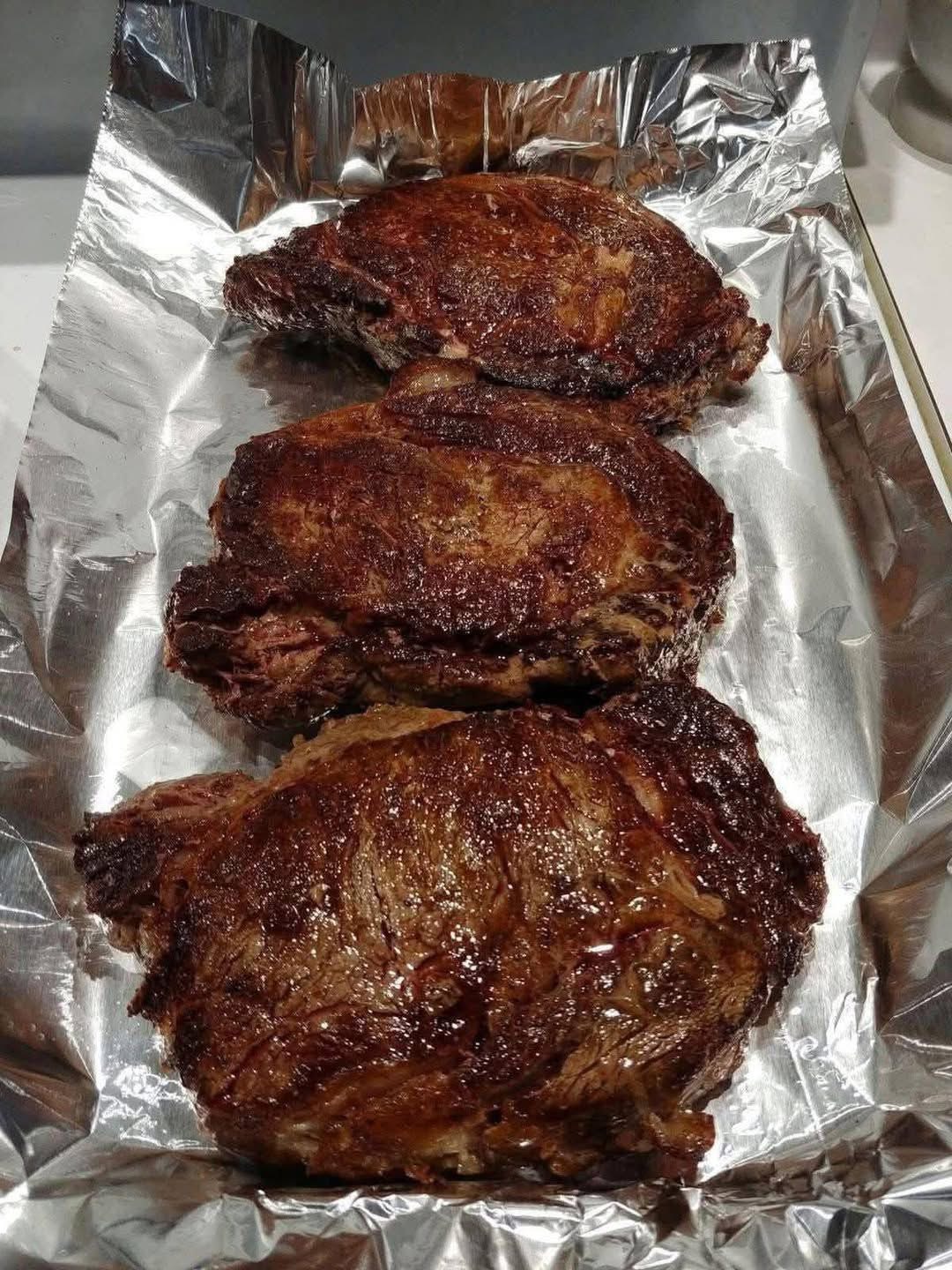
Ribeye steak is widely considered one of the most flavorful and luxurious cuts of beef. Known for its rich marbling and tender texture, ribeye comes from the rib section of the cow, typically between ribs six and twelve. The fat distributed throughout the meat melts during cooking, creating a juicy, buttery flavor that steak lovers appreciate around the world.
Because of its natural tenderness and deep beef flavor, ribeye steak requires minimal seasoning and simple cooking techniques to achieve outstanding results. Whether grilled, pan-seared, or oven-finished, ribeye delivers a restaurant-quality experience at home.
Ingredients
Main Ingredients
- 2 ribeye steaks (about 1–1.5 inches thick)
- 2 tablespoons olive oil
- 2 tablespoons butter
- 3 garlic cloves (crushed)
- 1 teaspoon coarse salt
- 1 teaspoon freshly ground black pepper
- 1 teaspoon fresh rosemary or thyme
Optional Ingredients
- 1 teaspoon smoked paprika
- 1 teaspoon garlic powder
- ½ teaspoon chili flakes
- 1 tablespoon lemon juice
- 1 tablespoon Worcestershire sauce
Formation of Ribeye Steak (Where It Comes From)
Ribeye steak is cut from the rib primal section of beef cattle. This part of the cow does not get much exercise, which makes the meat extremely tender. The ribeye contains a central “eye” of meat surrounded by fat and sometimes a fat cap.
There are two main forms of ribeye:
- Bone-in Ribeye – also known as a rib steak; includes part of the rib bone.
- Boneless Ribeye – the bone is removed for easier cooking and slicing.
The signature marbling (thin streaks of fat inside the meat) is what gives ribeye its incredible flavor.
History of Ribeye Steak
The ribeye steak became especially popular in North America during the 19th century as cattle ranching expanded. Steakhouses began highlighting premium cuts of beef, and ribeye quickly gained fame for its tenderness and flavor.
In the United States, ribeye became a centerpiece of traditional steakhouses, often grilled over open flames. Meanwhile, in countries like Argentina and Brazil, similar rib cuts are cooked slowly over wood fires in traditional barbecue styles.
Today, ribeye is considered one of the most premium steak cuts worldwide and is featured in fine dining restaurants and home kitchens alike.
Cooking Methods for Ribeye Steak
There are several excellent ways to cook ribeye steak:
1. Pan-Seared Method
Best for indoor cooking with a crispy crust.
2. Grilling Method
Perfect for smoky outdoor flavor.
3. Reverse Sear Method
Cook slowly in the oven first, then sear in a hot pan.
4. Sous Vide Method
Cook in temperature-controlled water, then sear.
5. Oven-Broiled Method
Uses intense top heat to mimic grilling.
Step-by-Step Instructions (Pan-Seared Ribeye)
Step 1: Prepare the Steak
Remove the ribeye steak from the refrigerator 30–40 minutes before cooking so it reaches room temperature. Pat the steak dry with paper towels.
Step 2: Season the Steak
Season both sides generously with salt and black pepper. You can also add garlic powder or smoked paprika if desired.
Step 3: Heat the Pan
Heat a heavy skillet (preferably cast iron) over high heat. Add olive oil and allow it to get very hot.
Step 4: Sear the Steak
Place the steak in the pan. Sear for 3–4 minutes without moving it.
Flip the steak and cook another 3–4 minutes.
Step 5: Add Butter and Aromatics
Add butter, garlic, and rosemary. Tilt the pan slightly and spoon the melted butter over the steak repeatedly for about 1–2 minutes.
Step 6: Check Doneness
Use a thermometer if possible.
Temperature guide:
- Rare: 50°C / 120°F
- Medium Rare: 55°C / 130°F
- Medium: 60°C / 140°F
- Medium Well: 65°C / 150°F
Medium rare is most recommended for ribeye.
Step 7: Rest the Steak
Remove from the pan and let the steak rest for 5–10 minutes before slicing. This keeps the juices inside the meat.
Benefits of Ribeye Steak
High-Quality Protein
Ribeye provides a large amount of protein, which supports muscle growth and repair.
Rich in Nutrients
It contains important vitamins and minerals including:
- Vitamin B12
- Zinc
- Iron
- Selenium
Energy Source
The healthy fats in ribeye provide long-lasting energy.
Supports Muscle Health
Athletes and active individuals often include steak in balanced diets for recovery and strength.
Why Ribeye Steak Is Loved
Ribeye steak is beloved for several reasons:
- Exceptional tenderness
- Rich beef flavor
- Juicy texture due to marbling
- Versatile cooking methods
- Restaurant-quality experience at home
Ribeye Steak Lovers Around the World
Ribeye steak has a passionate fan base globally. Steak enthusiasts appreciate the balance of fat and meat that produces incredible flavor.
Many steak lovers prefer ribeye cooked medium rare with simple seasoning, allowing the natural taste of the beef to shine.
Steakhouses, barbecue chefs, and home cooks all celebrate ribeye as one of the best cuts of beef available.
Conclusion
Ribeye steak is one of the most prized and flavorful cuts of beef in the culinary world. Its rich marbling, tender texture, and deep beef flavor make it a favorite among chefs and steak lovers alike.
With simple ingredients and proper cooking methods, anyone can prepare a delicious ribeye steak at home. Whether grilled, pan-seared, or slow-cooked, ribeye delivers a satisfying and memorable dining experience.
For those who truly love steak, ribeye represents the perfect balance of tenderness, flavor, and indulgence—making it a timeless classic in kitchens around the world.