Introduction
There is something universally satisfying about crunchy food. From the crisp crackle of fried chicken to the golden bite of perfectly roasted potatoes, crunch stimulates both sound and texture, making food more exciting and memorable. Home cooks around the world often chase that perfect crunch—one that is golden, light, and crisp without being greasy or overly hard.
Achieving this texture is not just luck; it is a combination of science, technique, and ingredient balance. Moisture must be controlled, heat must be correct, and coatings must be carefully designed. In this guide, we will explore a versatile recipe that creates a reliable crunch along with the history, techniques, benefits, and appreciation of crunchy foods.
The Ultimate Crispy Crunch Coating Recipe
Ingredients
Main Ingredients
- 4 chicken thighs or breasts (or substitute with vegetables like cauliflower, mushrooms, or zucchini)
- 1 cup all-purpose flour
- ½ cup cornstarch
- 2 eggs
- ½ cup buttermilk
- 1 cup panko breadcrumbs
- 1 teaspoon salt
- 1 teaspoon black pepper
- 1 teaspoon paprika
- ½ teaspoon garlic powder
- ½ teaspoon onion powder
- ½ teaspoon baking powder
- Oil for frying (vegetable or peanut oil)
Optional Flavor Enhancers
- ½ teaspoon cayenne pepper for heat
- 1 teaspoon dried herbs (thyme or oregano)
- 2 tablespoons grated parmesan for extra flavor
Preparation Method
- Prepare the Protein or Vegetables
- Pat chicken or vegetables dry with paper towels.
- Removing moisture helps the coating stick and promotes crispiness.
- Prepare the Dry Mix
- In a bowl combine:
- flour
- cornstarch
- baking powder
- salt
- pepper
- paprika
- garlic powder
- onion powder
- In a bowl combine:
- Prepare the Wet Mix
- In another bowl whisk together:
- eggs
- buttermilk
- In another bowl whisk together:
- Prepare the Crunch Layer
- Place panko breadcrumbs in a third bowl.
Cooking Instructions
Step 1 – First Coating
Lightly coat the chicken or vegetables in the flour mixture.
Step 2 – Wet Dip
Dip the coated pieces into the egg and buttermilk mixture.
Step 3 – Final Crunch Layer
Roll the pieces in panko breadcrumbs to create a thick textured coating.
Step 4 – Resting Time
Let the coated food sit for 10 minutes.
This helps the crust adhere and prevents it from falling off during cooking.
Step 5 – Frying
- Heat oil to 175–180°C (350°F).
- Fry pieces for 6–8 minutes until golden brown.
- Place on a rack instead of paper towels to maintain crispness.
Alternative Crunch Methods
1. Double Fry Method
- Fry food once at 160°C for partial cooking.
- Rest for 5 minutes.
- Fry again at 190°C to create an ultra-crisp crust.
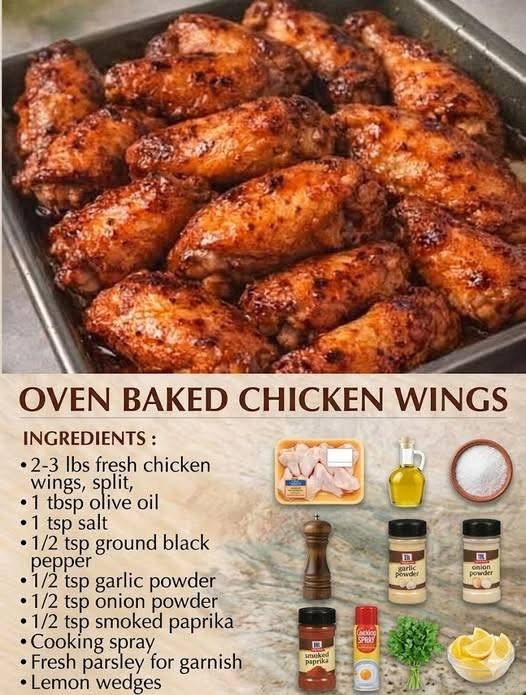
2. Oven Crunch Method
For a healthier version:
- Preheat oven to 220°C (425°F).
- Place coated food on a rack-lined baking sheet.
- Spray lightly with oil.
- Bake for 20–25 minutes, flipping halfway.
3. Air Fryer Method
- Preheat air fryer to 200°C.
- Spray food lightly with oil.
- Cook 12–15 minutes, turning once.
The Science Behind the Crunch (Formation of Crisp Texture)
Crunch forms through three main scientific processes:
1. Moisture Evaporation
Heat removes water from the outer layer of food, allowing a rigid structure to form.
2. Starch Gelatinization
Flour and cornstarch absorb moisture and then harden into a crispy shell.
3. Maillard Reaction
Proteins and sugars react at high heat to produce:
- golden color
- toasted flavor
- satisfying crunch
Cornstarch and baking powder help create tiny air pockets, making the crust lighter.
History of Crunchy Cooking
Crunchy foods appear across many cultures:
- Ancient frying techniques existed in Roman and Chinese kitchens.
- Japanese tempura developed during the 16th century.
- European schnitzel became famous for its breaded crisp crust.
- American fried chicken perfected seasoned crunchy coatings.
Over centuries, cooks discovered that layers of flour, starch, and crumbs create the best crisp results.
Benefits of Crunchy Foods
1. Sensory Satisfaction
Crunch provides a pleasurable auditory and tactile experience.
2. Flavor Enhancement
Crispy coatings hold spices and seasonings effectively.
3. Texture Balance
Crunch pairs beautifully with:
- soft meats
- creamy sauces
- fresh salads
4. Appetite Appeal
Restaurants often use crispy textures because they increase perceived flavor and enjoyment.
Lovers of Crunch
Crunchy food lovers exist everywhere. People who enjoy crispy textures often love foods like:
- fried chicken
- tempura vegetables
- crispy potatoes
- toasted bread
- crunchy snacks
Chefs and home cooks alike constantly experiment with new coatings, grains, and frying techniques to push the limits of crisp texture.
Some enthusiasts even treat crisp cooking as a culinary art, testing combinations such as rice flour, potato starch, and crushed cereals to achieve new textures.
Tips for Achieving the Perfect Crunch
- Always dry ingredients before coating.
- Use cornstarch or rice flour for lighter crispiness.
- Maintain correct oil temperature.
- Avoid overcrowding the pan.
- Use a cooling rack instead of paper towels.
- Season the crust immediately after frying.
Conclusion
The perfect crunch is more than just a cooking technique—it is a culinary pursuit that blends science, tradition, and creativity. By understanding moisture control, starch reactions, and proper cooking methods, any home cook can achieve restaurant-quality crispness.
Whether fried, baked, or air-fried, the journey toward crunch rewards patience and experimentation. For lovers of crispy foods, every golden bite represents the triumph of texture and flavor working in perfect harmony.