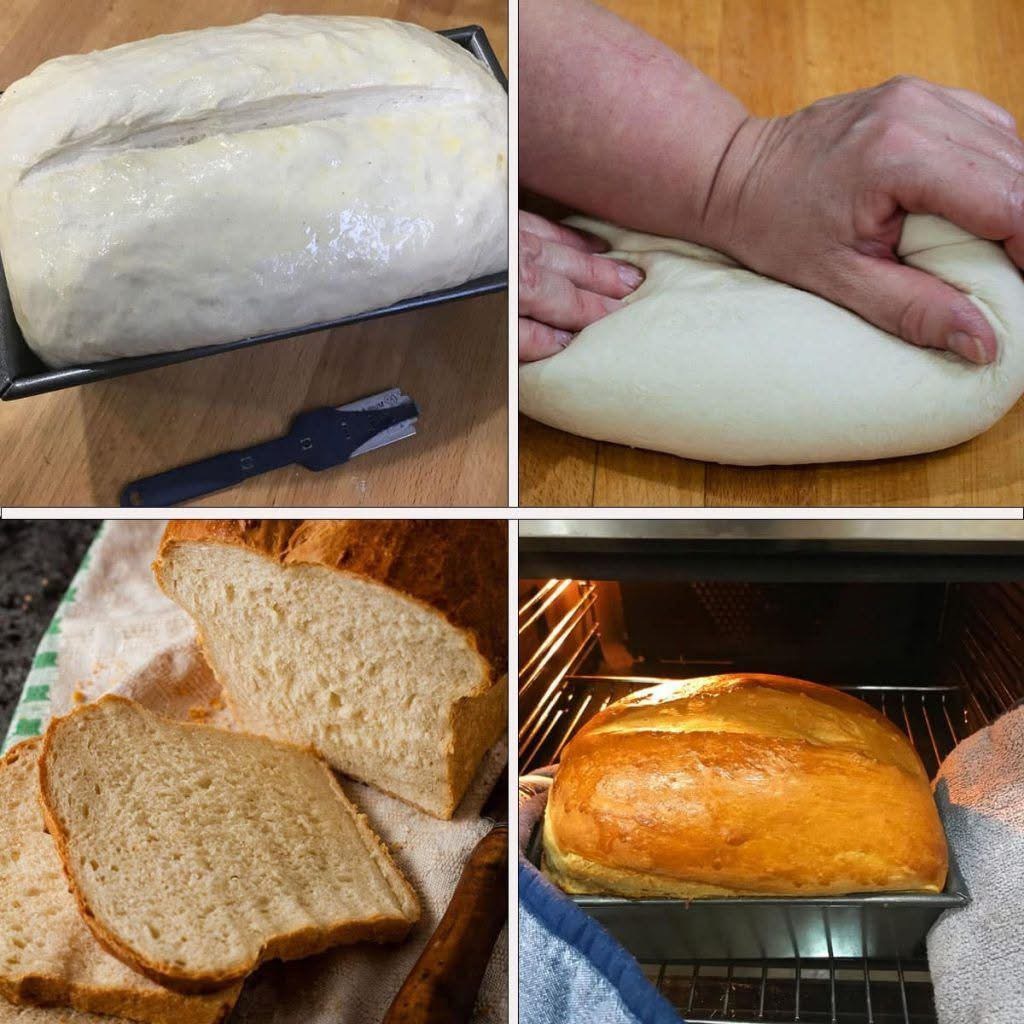
A Soft, Slightly Sweet, Old-Fashioned Classic
🌾 Introduction
Few things compare to the smell of freshly baked bread filling your home. Amish White Bread is a beautifully soft, slightly sweet, and wonderfully fluffy loaf that has been cherished for generations. Known for its pillowy texture and golden crust, this bread is perfect for sandwiches, toast, or simply enjoying warm with butter.
Simple ingredients. Traditional methods. Heartwarming results.
This complete guide covers everything you need: history, ingredients, dough formation, step-by-step instructions, baking methods, benefits, and why bread lovers treasure this timeless recipe.
📜 History of Amish White Bread
Amish White Bread originates from the traditional baking practices of the Amish communities in the United States, particularly in Pennsylvania and the Midwest.
The Amish are known for:
- Simple living
- Homegrown ingredients
- Scratch-made foods
- Community-centered traditions
Bread baking has always been a daily ritual in Amish households. Unlike European crusty artisan loaves, Amish White Bread evolved to be:
- Softer
- Slightly sweet
- Family-friendly
- Ideal for large-batch baking
It became especially popular in American kitchens during the 20th century because of its dependable rise and tender crumb.
🧂 Ingredients (Makes 2 Large Loaves)
Dry Ingredients:
- 6 cups all-purpose flour (plus extra for kneading)
- 2¼ teaspoons active dry yeast (1 packet)
- 2 teaspoons salt
Wet Ingredients:
- 2 cups warm water (110°F / 43°C)
- ⅔ cup white sugar
- ¼ cup vegetable oil or melted butter
🥣 Dough Formation (The Science of Softness)
Understanding dough formation is the secret to mastering this bread.
1️⃣ Yeast Activation (Fermentation Begins)
Warm water + sugar + yeast
The sugar feeds the yeast, allowing it to bloom and create carbon dioxide bubbles. This gas creates air pockets — the reason bread rises.
2️⃣ Gluten Development
When flour mixes with liquid and is kneaded:
- Gluten strands form.
- These strands trap gas bubbles.
- The dough becomes elastic and stretchy.
3️⃣ First Rise (Bulk Fermentation)
The dough doubles in size as yeast produces gas.
Flavor develops during this resting stage.
4️⃣ Shaping & Second Rise
Shaping strengthens structure.
The second rise creates a lighter crumb before baking.
👩🍳 Step-by-Step Instructions
Step 1: Activate the Yeast
- In a large bowl, dissolve sugar in warm water.
- Stir in yeast.
- Let sit for 5–10 minutes until foamy.
Step 2: Mix the Dough
- Add oil and salt.
- Gradually mix in flour, one cup at a time.
- Stir until a soft dough forms.
Step 3: Kneading (Very Important)
- Transfer to a floured surface.
- Knead 8–10 minutes until smooth and elastic.
- Dough should spring back when pressed.
Step 4: First Rise
- Place dough in a greased bowl.
- Cover with cloth.
- Let rise 1 hour or until doubled.
Step 5: Shape the Loaves
- Punch down dough.
- Divide into two equal portions.
- Shape into loaves and place into greased 9×5-inch pans.
Step 6: Second Rise
- Cover and let rise 30–40 minutes until domed above pan.
Step 7: Bake
- Preheat oven to 350°F (175°C).
- Bake 25–30 minutes until golden brown.
- Tap the top — it should sound hollow.
Step 8: Cool
- Remove from pans.
- Cool on wire rack before slicing.
🔥 Baking Methods
1️⃣ Traditional Oven (Classic Method)
- Most reliable
- Even crust formation
- Perfect golden top
2️⃣ Dutch Oven Method
- Produces slightly thicker crust
- Better moisture retention
3️⃣ Bread Machine Method
- Add ingredients in manufacturer order
- Use basic white bread setting
- Convenient but less hands-on
4️⃣ Whole Wheat Variation
- Replace 2 cups white flour with whole wheat flour
- Add 1–2 tablespoons extra water
🌿 Benefits of Amish White Bread
Although simple, it offers many advantages:
🥖 Comfort & Satisfaction
Fresh bread is emotionally comforting and nostalgic.
💪 Energy Source
Carbohydrates provide steady energy.
🍞 Customizable Nutrition
You can:
- Add seeds
- Use whole grain flour
- Reduce sugar
- Add honey instead of white sugar
👨👩👧 Family Bonding
Bread baking encourages patience, tradition, and shared meals.
💡 Tips for Perfect Bread
- Use warm, not hot water (too hot kills yeast).
- Knead thoroughly for strong structure.
- Avoid adding too much flour (keeps bread soft).
- Brush tops with butter after baking for extra softness.
- Store in airtight bag to maintain moisture.
❤️ Why Bread Lovers Adore Amish White Bread
Bread lovers cherish this recipe because:
- It’s beginner-friendly.
- It produces consistently soft results.
- It makes excellent sandwiches.
- It toasts beautifully.
- It freezes well.
- It smells heavenly while baking.
Children love it with jam.
Adults enjoy it with soups and stews.
Home bakers treasure its reliability.
It represents warmth, hospitality, and homemade goodness.
🧁 Creative Serving Ideas
- Toast with honey butter
- Grilled cheese sandwiches
- French toast
- Garlic bread
- Bread pudding
- Classic PB&J
🎉 Conclusion
Mastering Amish White Bread is about more than mixing flour and yeast — it’s about understanding formation, fermentation, patience, and tradition.
From its roots in Amish communities to modern kitchens worldwide, this bread continues to win hearts with its tender crumb and slightly sweet flavor.