Introduction
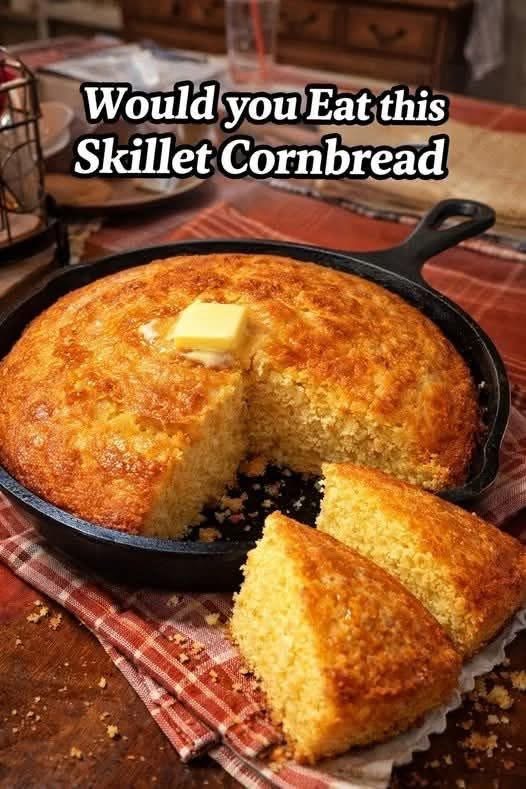
Grandmother’s Buttermilk Cornbread is more than just a side dish—it’s a comforting taste of tradition, warm kitchens, and family gatherings. With its golden crust, tender crumb, and subtle tang from buttermilk, this cornbread is a perfect balance of sweet, savory, and buttery goodness. Loved in Southern homes for generations, it’s the kind of bread that carries memories of laughter, cozy dinners, and the smell of baking that fills the house with love.
History
Cornbread has deep roots in American history, especially in the South, where corn was a staple long before wheat flour became widely available. Native Americans first introduced cornmeal to European settlers, who quickly adapted it into bread, pancakes, and porridge. By the 19th century, buttermilk cornbread had become a Southern staple, valued for its affordability, rich flavor, and versatility. Families often passed down recipes, tweaking them slightly with each generation, which is why “Grandmother’s Buttermilk Cornbread” evokes a sense of nostalgia and culinary heritage.
Benefits
While cornbread is often enjoyed as comfort food, it has nutritional benefits when made thoughtfully:
- Cornmeal: Provides fiber, B vitamins, and essential minerals like magnesium and phosphorus.
- Buttermilk: Offers probiotics and calcium, which are good for digestion and bones.
- Eggs: Add high-quality protein and vitamin D.
- Healthy fats: Butter or oil provides energy and enhances nutrient absorption.
Enjoyed in moderation, this cornbread can complement a balanced meal while nourishing both body and soul.
Ingredients (Serves 8)
- 1 cup yellow cornmeal
- 1 cup all-purpose flour
- 1/4 cup granulated sugar (optional for slightly sweet cornbread)
- 1 teaspoon baking soda
- 1 teaspoon baking powder
- 1/2 teaspoon salt
- 1 cup buttermilk
- 2 large eggs
- 1/4 cup melted butter (plus extra for greasing pan)
- Optional: 2 tablespoons honey for added sweetness
Formation / Structure of the Dish
The structure of Grandmother’s Buttermilk Cornbread is simple yet perfect:
- Golden crust: Slightly crisp and caramelized on top and edges.
- Tender, moist interior: Soft crumb that holds together yet melts in the mouth.
- Even rise: Thanks to the combination of baking powder, baking soda, and the acidity in buttermilk.
The cornbread can be baked in a cast-iron skillet, which gives the edges extra crunch, or in a baking dish for a softer finish. Its formation ensures every bite has a balance of texture, color, and warmth.
Instructions & Methods
Step 1: Preheat & Prep
- Preheat your oven to 425°F (220°C).
- Grease a 9-inch cast-iron skillet or baking pan with butter or oil.
Step 2: Mix Dry Ingredients
- In a large bowl, whisk together cornmeal, flour, sugar, baking powder, baking soda, and salt.
Step 3: Mix Wet Ingredients
- In a separate bowl, whisk buttermilk, eggs, and melted butter until well combined.
Step 4: Combine & Stir
- Pour wet ingredients into the dry ingredients.
- Stir gently until just combined; do not overmix, or cornbread will be dense.
Step 5: Bake
- Pour batter into prepared pan.
- Bake for 20–25 minutes, or until the top is golden brown and a toothpick inserted in the center comes out clean.
Step 6: Serve
- Allow cornbread to cool for 5 minutes.
- Slice into wedges and serve warm with butter, honey, or alongside soups, stews, or chili.
Lovers’ Notes
For cornbread lovers, this dish is pure comfort and nostalgia. The slightly sweet, buttery interior combined with the crisp edges is irresistible. It evokes cozy evenings by the fire, Sunday dinners with family, and the love that goes into baking by hand. A slice of warm buttermilk cornbread shared with someone you love can feel like a hug in edible form.
Conclusion
Grandmother’s Buttermilk Cornbread is a timeless classic that combines history, flavor, and heart. It’s a dish that nourishes both body and soul, perfect for family gatherings or a quiet night at home. With its golden crust, tender crumb, and subtle tang, this cornbread proves that simple ingredients, treated with care, create extraordinary results.
Whether you enjoy it plain, with honey, or alongside a hearty stew, it’s a recipe that connects generations and reminds us that the best food is made with love.