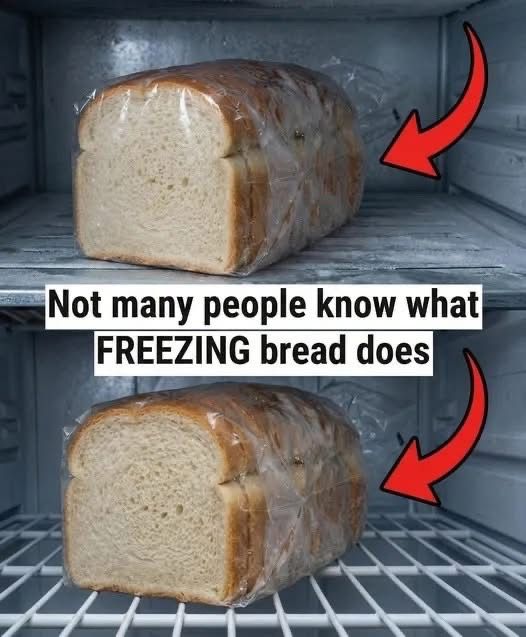
A Complete Guide to Freezing, Storing, and Reviving Bread the Right Way
Introduction
Bread is one of the most loved foods on the planet—soft, warm, comforting, and universal. But bread also has one big weakness: it goes stale fast. That’s where the freezer steps in like a quiet hero. When bread goes into the freezer, it doesn’t just “pause”—it undergoes real physical and chemical changes that, when handled properly, can preserve flavor, texture, and freshness for weeks or even months.
Freezing bread isn’t just storage—it’s a method, a science, and honestly, a lifestyle for bread lovers who hate waste.
A Short History of Freezing Bread
Before modern freezers, bread was baked daily or dried into rusks and hardtack to last longer. With the rise of refrigeration in the 20th century, freezing became a revolutionary way to preserve baked goods.
Commercial bakeries were among the first to adopt bread freezing, allowing mass production without sacrificing quality. Today, freezing bread is common in homes, bakeries, and restaurants—and when done right, it’s nearly indistinguishable from fresh.
What Happens When Bread Freezes (The Science / Formation)
When bread goes into the freezer:
- Water inside the bread turns into ice crystals
- Starch retrogradation slows down (this is what causes staling)
- Yeast activity completely stops
- Mold growth is halted
The key is speed. Fast freezing = smaller ice crystals = less damage to crumb structure. Slow freezing = bigger crystals = drier bread when thawed.
This is why wrapping matters so much.
Benefits of Freezing Bread
✔ Extends shelf life from days to months
✔ Reduces food waste
✔ Saves money
✔ Preserves flavor better than refrigeration
✔ Allows bulk baking or buying
✔ Makes toast even better (yes, really)
Fun fact: Frozen bread often toasts more evenly because moisture redistribution improves crisping.
Ingredients (Simple, Real-Life List)
You don’t need much—this is a method recipe.
- Fresh bread (sourdough, white, whole wheat, rye, rolls, bagels, etc.)
- Plastic wrap or freezer-safe bags
- Aluminum foil (optional but recommended)
- Marker for labeling (date matters!)
Methods: How to Freeze Bread Properly
Method 1: Freezing a Whole Loaf
Best for fresh bakery bread.
- Let bread cool completely
- Wrap tightly in plastic wrap
- Add a second layer of foil or freezer bag
- Label with date
- Freeze immediately
Shelf life: Up to 3 months
Method 2: Freezing Sliced Bread (Most Practical)
Perfect for daily use.
- Slice the loaf fully
- Place parchment between slices if needed
- Store in freezer-safe bag
- Remove air as much as possible
- Freeze flat
Bonus: You can toast straight from frozen.
Method 3: Freezing Rolls, Buns & Bagels
- Wrap individually or in small batches
- Double-wrap for best protection
- Freeze
Great for meal prep and quick breakfasts.
How to Thaw Bread (Very Important)
Best Ways:
- Room temperature (whole loaf): 1–3 hours
- Toaster (slices): Straight from freezer
- Oven refresh: 350°F (180°C) for 8–10 minutes
Avoid:
🚫 Microwave (unless desperate—texture suffers)
🚫 Refreezing once fully thawed
Common Mistakes People Make
- Freezing bread while warm (creates condensation)
- Poor wrapping (freezer burn)
- Keeping it too long
- Refrigerating instead of freezing (this speeds up staling!)
Who Loves Frozen Bread? (The Lovers ❤️)
- Home bakers
- Busy families
- Meal preppers
- Zero-waste kitchens
- Restaurants & cafés
- Students
- Toast lovers (seriously)
Once people understand freezing bread properly, they rarely go back.
Extra Tips for Best Results
- Freeze bread at peak freshness
- Use airtight wrapping
- Label everything
- Revive crusty bread in the oven with a splash of water
- Toasting hides almost all texture flaws
Final Conclusion
Freezing bread isn’t a downgrade—it’s a smart preservation method that protects flavor, texture, and value. When done right, frozen bread can taste just as good as fresh, sometimes even better. It saves money, reduces waste, and gives you bread on demand—anytime.
If you love bread, the freezer isn’t the enemy.
It’s the secret weapon.